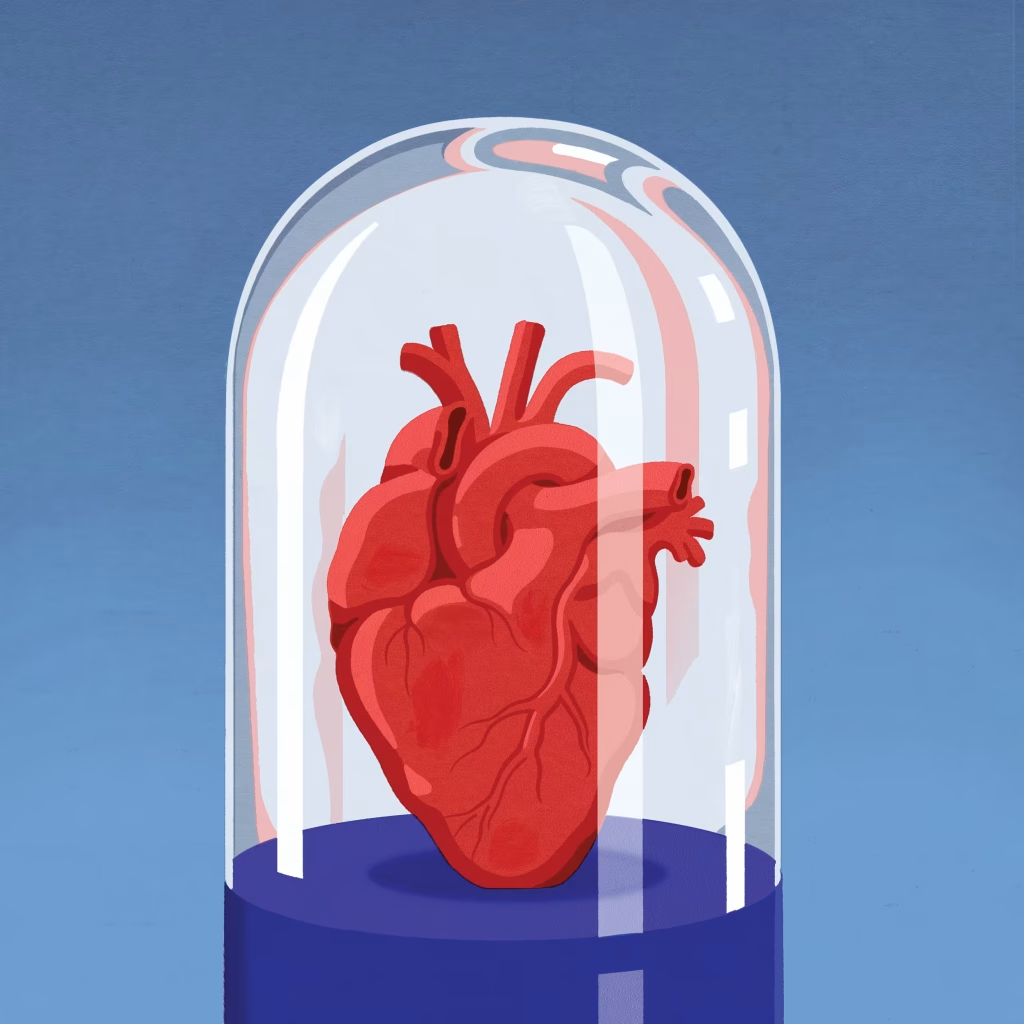
The drug colchicine has been used for more than 2,000 years to treat the fiery joint-pain ailment called gout. It also is a remedy for a genetic disorder called familial Mediterranean fever, and for pericarditis, an inflammation of the sac around the heart.
Now colchicine may be set for a surprising new role. In June, the Food and Drug Administration approved a new low-dose version of the drug as the first-ever medicine to treat cardiovascular inflammation, marking a new approach for heart-attack prevention.
Several things could limit the adoption of colchicine by cardiologists, at least at first, including side-effect concerns and the emergence of several other new options for reducing the risk of heart attacks. But the drug’s approval provides fresh validation for a concept that has been gaining momentum in cardiology over the past 25 years—that inflammation is a key culprit in atherosclerosis, the artery-clogging disease, and that treating it can reduce the risk of a heart attack.