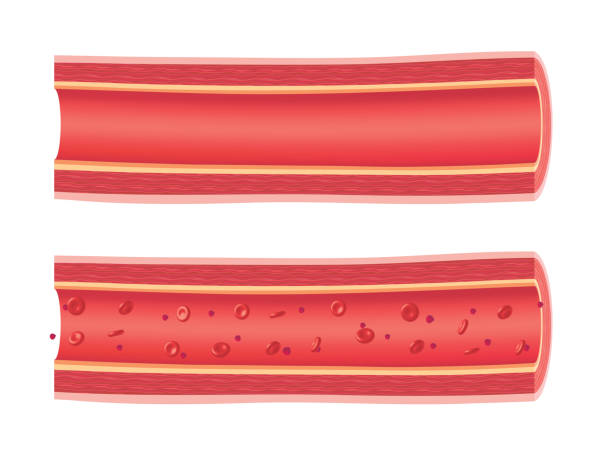
The trapping of LDL and other apolipoprotein B-containing lipoproteins within the artery wall causes atherosclerosis. As more LDL becomes trapped within the artery wall over time, the atherosclerotic plaque burden gradually increases, raising the risk of an acute cardiovascular event. Therefore, the biological effect of LDL on the risk of atherosclerotic cardiovascular disease (ASCVD) depends on both the magnitude and duration of exposure. Maintaining low levels of LDL-cholesterol (LDL-C) over time decreases the number of LDL particles trapped within the artery wall, slows the progression of atherosclerosis and, by delaying the age at which mature atherosclerotic plaques develop, substantially reduces the lifetime risk of ASCVD events. Summing LDL-C measurements over time to calculate cumulative exposure to LDL generates a unique biomarker that captures both the magnitude and duration of exposure, which facilitates the estimation of the absolute risk of having an acute cardiovascular event at any point in time.